ADVANCEing FieldSafety Highlighted by CIRES at the 2025 AGU Annual Meeting
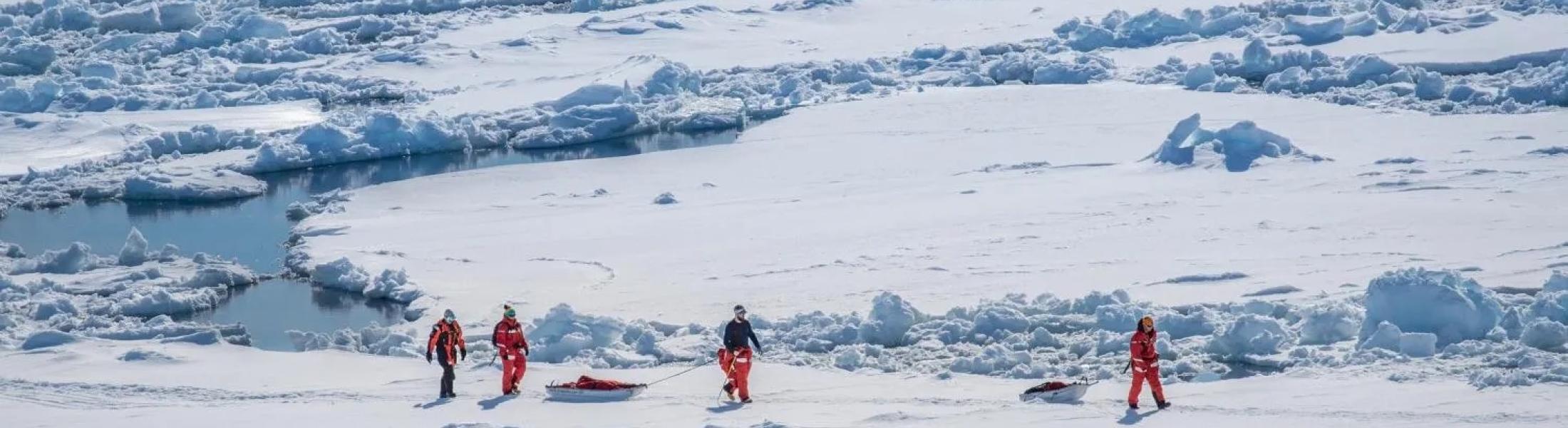
Field research in extreme environments, especially in polar regions, faces significant safety barriers that often exclude marginalized researchers. At the 2025 AGU Annual Meeting, CIRES scientist Michael MacFerrin and CEEE Director Anne Gold presented on how current safety policies disproportionately impact scientists with disabilities or mental health conditions, limiting their ability to participate in critical research. MacFerrin's research, sparked by his own exclusion from fieldwork in Antarctica due to Type I diabetes, advocates for a more inclusive, bottom-up approach to safety systems, aiming to reduce unnecessary exclusions and improve overall safety for all researchers.
Gold’s work addresses the challenges researchers face once in the field, including hazards, microaggressions, and a lack of inclusivity. Through the ADVANCEing FieldSafety program, Gold’s team offers training to prepare field teams for safer, more welcoming research experiences. This training has already shown to increase researchers' preparedness to handle unsafe situations and foster more collaborative, innovative work. Together, MacFerrin and Gold highlight the need for systemic changes to make extreme fieldwork safer and more inclusive, benefiting both researchers and the quality of scientific outcomes.
Read the full article on the main CIRES website.