Does a Warming Climate Mean a More Accessible Arctic? With Dr. Scott Stephenson

Does a Warming Climate Mean a More Accessible Arctic? With Dr. Scott Stephenson

In this specific lesson, Dr. Scott Stephenson focuses on the link between climate change and human activities. You'll learn how melting sea ice contributes to economic transformation of the Arctic.

This video is part of a collection called “Frozen in the Ice: Exploring the Arctic,” offered through the online course platform Coursera, about the extraordinary MOSAiC Arctic research mission that has frozen an icebreaker into the Arctic Ocean, where it will drift for 13 months (mosaic-expedition.org). 

About the Presenter Header
About the Presenter

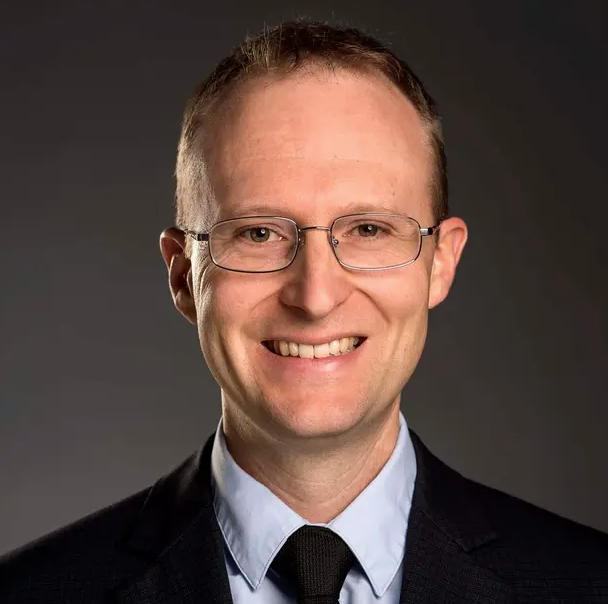
Scott Stephenson is an environmental and political geographer at RAND and a professor of policy analysis at the RAND School of Public Policy. Stephenson's research utilizes geospatial modeling and analysis to investigate linked human and natural systems. His recent projects have explored topics such as impacts of extreme weather events on force readiness, Army and Air Force installation hazard resilience, environmental and operational risks in the Pacific, Army logistics in Europe, the geography of U.S. National Critical Functions, and Arctic geopolitics. He serves as an associate editor of the journal Polar Geography, and was an assistant professor of geography at the University of Connecticut from 2014-2019.

Additional Resources

Visit this page to access the “Frozen in the Ice: Exploring the Arctic” Coursera.

In this course, you’ll hear directly from more than three dozen MOSAiC scientists and Arctic experts as they summarize the core of their research, what types of data they collect during MOSAiC on the ice, under the sea, and in the air and describe why this expedition is so key for increasing our understanding of the Arctic and global climate systems.

Illustration of two people high-fiving in a work environment

Get involved and stay up-to-date with CIRES CEEE.